Get Chimney Inspection Service in Brick, NJ
Chimney Inspection Services for Brick, NJ, and nearby areas identify issues like creosote buildup, cracks, or blockages, supporting safe and efficient fireplace and stove operation.
Chimney inspection services are an essential part of maintaining a safe and functional fireplace or heating system in properties throughout Brick, NJ. Regular inspections help identify potential issues such as blockages, creosote buildup, or structural damage, ensuring that the chimney operates efficiently and safely. Property owners often seek these services to enhance comfort by preventing smoke or fumes from entering living spaces, while also reducing the risk of chimney fires and other hazards that could compromise safety.
In addition to safety, chimney inspections contribute to the longevity and durability of the chimney structure. Detecting problems early can minimize costly repairs and decrease ongoing maintenance needs. Many property owners also consider the aesthetic appeal of their homes, as a well-maintained chimney can improve curb appeal and overall property value. Engaging experienced professionals for these inspections provides peace of mind, knowing that the chimney system is functioning properly and contributing to a safe, comfortable living environment.
- Chimney Inspection - homeowners may need an inspection to ensure their chimney is safe and functioning properly before use.
- Pre-Listing Chimney Check - property sellers might schedule an inspection to identify potential issues prior to listing a home.
- Post-Storm Chimney Evaluation - after severe weather, a chimney inspection can help identify damage or blockages caused by the elements.
- Routine Chimney Assessment - regular inspections are recommended to maintain safety and detect early signs of deterioration.
- Repair and Maintenance Inspection - when experiencing draft issues or smoke backup, a professional assessment can pinpoint necessary repairs.
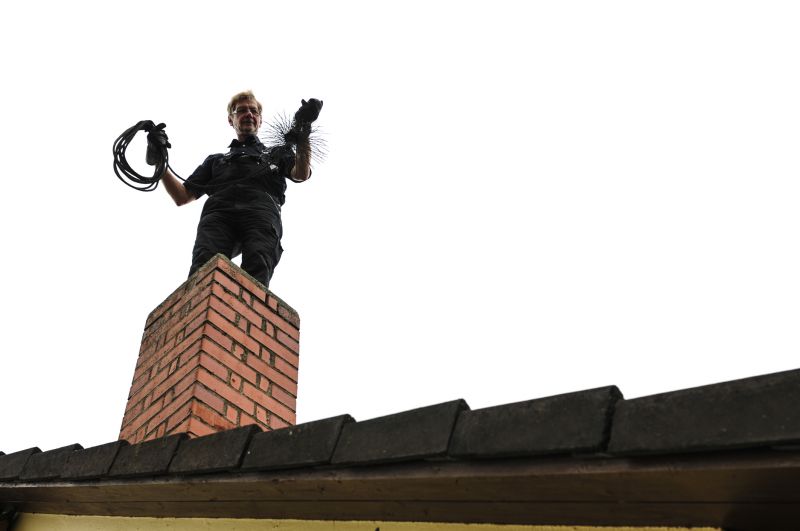
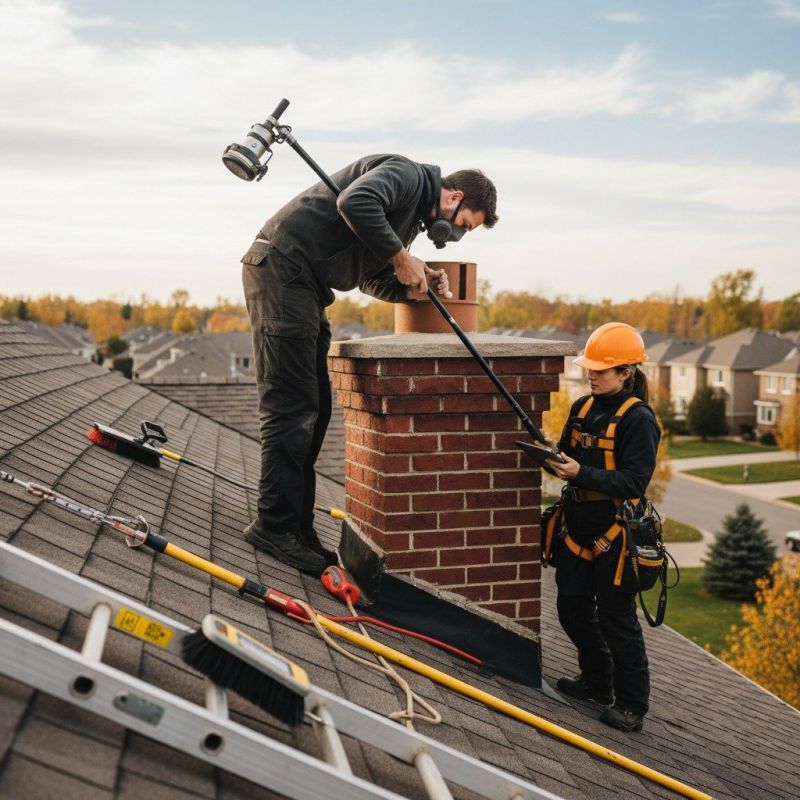
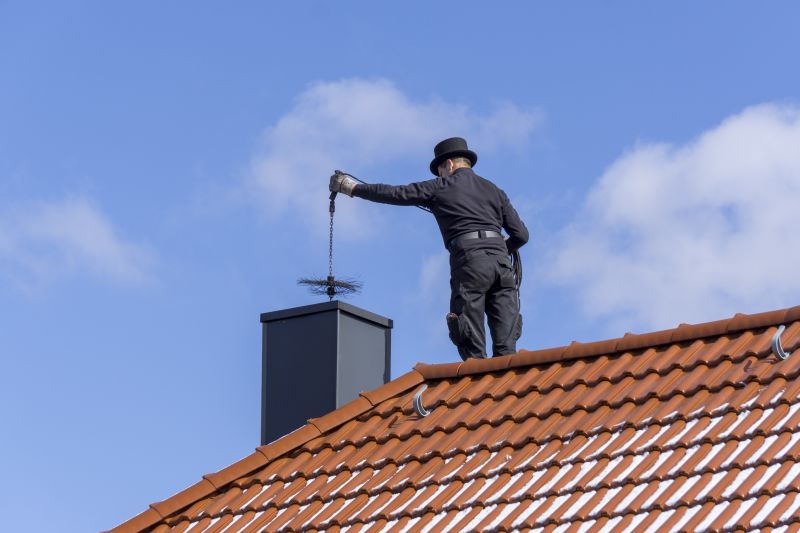
Chimney inspection services involve a thorough examination of a chimney’s interior and exterior components to assess their condition and identify potential issues. Typically, a professional will evaluate the chimney structure, check for creosote buildup, inspect the flue lining, and examine the chimney cap and crown. This process helps to ensure that the chimney is functioning properly and safely, reducing the risk of problems such as blockages, deterioration, or fire hazards. Inspections can be scheduled regularly or performed before installing a new appliance or after a chimney has experienced damage or wear.
One of the primary benefits of chimney inspections is identifying problems that could lead to safety hazards or costly repairs if left unaddressed. Common issues include creosote accumulation, cracks or gaps in the masonry, damaged flue liners, and obstructions like nests or debris. By pinpointing these problems early, property owners can prevent chimney fires, improve draft efficiency, and maintain proper venting for heating appliances. Regular inspections are especially important for homes that use wood-burning stoves, fireplaces, or other fuel-burning systems, as these are more prone to creosote buildup and related issues.
Chimney inspection services are utilized by a variety of property types, including residential homes, historic buildings, and commercial establishments. Residential properties often seek inspections to ensure the safety and efficiency of their fireplaces and stoves, especially before the winter season or after noticing issues like smoke backup or poor draft. Commercial buildings with large heating systems or multiple fireplaces also benefit from routine inspections to prevent disruptions and maintain compliance with safety standards. In historic or older properties, inspections can reveal structural concerns that may require specialized repair or restoration work.
Professional chimney inspections typically involve visual assessments, sometimes complemented by the use of specialized tools such as cameras or moisture meters. Service providers focus on identifying any signs of damage, deterioration, or obstructions that could compromise the chimney’s performance. By scheduling regular inspections with local pros, property owners can stay informed about their chimney’s condition and ensure it remains safe and functional. Connecting with experienced service providers can help maintain the longevity of the chimney system and prevent unforeseen problems that might otherwise go unnoticed.
The overview below groups typical Chimney Inspection Service projects into broad ranges so you can see how smaller, mid-sized, and larger jobs often compare in Brick, NJ.
In many markets, a large share of routine jobs stays in the lower and middle ranges, while only a smaller percentage of projects moves into the highest bands when the work is more complex or site conditions are harder than average.
Inspection Fees - Typically, chimney inspection services cost between $100 and $300, depending on the level of inspection needed. For example, a basic visual inspection may be on the lower end, while a detailed assessment can approach the higher range.
Repair Cost Estimates - Repair services for chimney inspections generally range from $200 to $1,000 or more. Minor repairs, such as mortar patching, tend to be on the lower side, whereas extensive repairs like liner replacement can be more costly.
Maintenance Service Costs - Routine maintenance, including cleaning and minor repairs, often falls between $150 and $500. Regular upkeep can help prevent costly repairs and extend the chimney’s lifespan.
Additional Service Charges - Extra services, such as chimney cap installation or waterproofing, typically cost between $50 and $300 each. These optional services can enhance chimney performance and longevity.
Actual totals will depend on details like access to the work area, the scope of the project, and the materials selected, so use these as general starting points rather than exact figures.
Chimney Inspection - Professionals assess the condition of the chimney structure, identifying potential issues that may affect safety and performance.
Flue Inspection - Service providers examine the flue system to ensure proper venting and detect blockages or damage.
Chimney Cap Inspection - Experts evaluate the condition of chimney caps to prevent debris and animal intrusion, maintaining proper airflow.
Smoke Chamber Inspection - Technicians inspect the smoke chamber to identify cracks or buildup that could impact smoke flow and safety.
Masonry Inspection - Local pros examine brickwork and mortar for deterioration or damage that may compromise chimney stability.
Chimney Liner Inspection - Service providers assess the condition of liners to ensure they are intact and functioning correctly for safe venting.
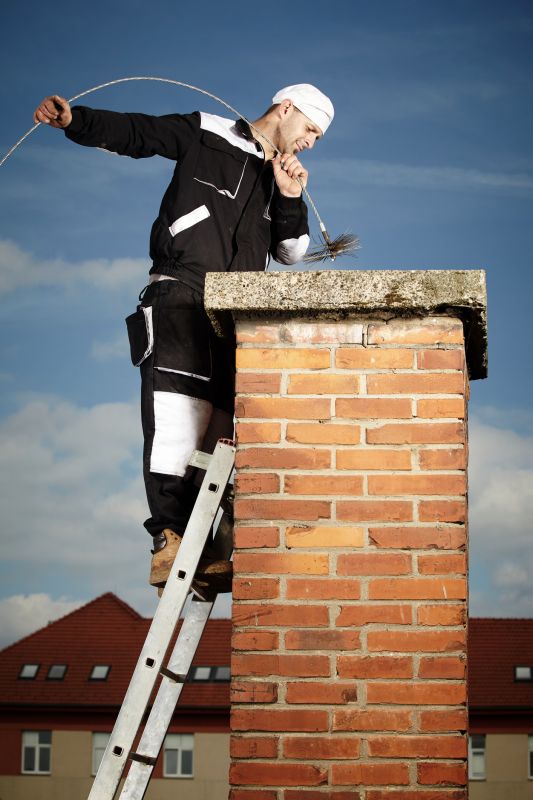
When choosing a chimney inspection service, it’s important to consider the experience of local professionals. Experienced providers are often familiar with a variety of chimney types and common issues, which can contribute to thorough inspections. Homeowners should look for service providers with a strong track record in the community and a history of performing detailed assessments. While the site introduces local options, it’s recommended to inquire about each contractor’s background to ensure they have the appropriate experience for your specific chimney needs.
Clear and written expectations are vital when engaging with a chimney inspection service. Reputable local providers typically offer detailed descriptions of their inspection process, what homeowners can expect during the appointment, and any follow-up steps. Having these expectations documented helps ensure transparency and mutual understanding. Homeowners are encouraged to review these details carefully and ask any questions before scheduling the service, to confirm that the scope of work aligns with their concerns and needs.
Reputable references and effective communication are key factors in selecting a reliable chimney inspection provider. Local service providers with positive references from previous clients can offer insight into their professionalism and quality of work. Additionally, clear communication-whether through email, online forms, or in-person conversations-helps ensure that homeowners receive timely updates and can easily address any questions or concerns. The site connects users with local pros, but it’s advisable to verify each provider’s reputation and communication approach directly before making a selection.
Property owners in Brick, NJ use Chimney Inspection Service services for practical projects around their homes and businesses. The sections below highlight everyday jobs and straightforward project options.
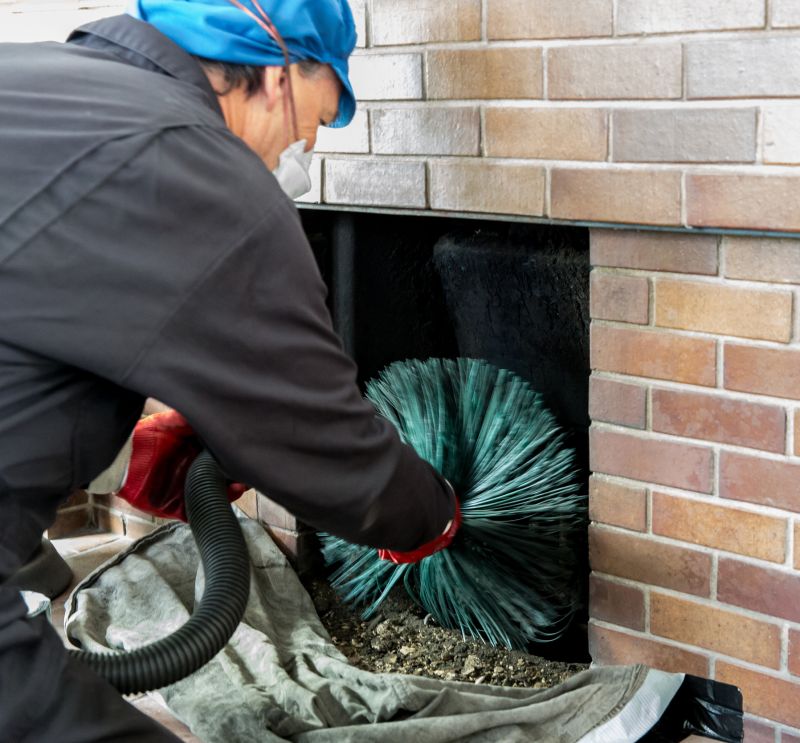
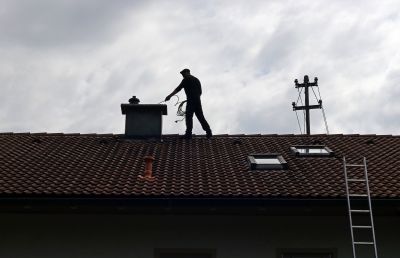
Chimney inspection services are commonly sought by property owners in Brick, NJ, who want to ensure their fireplaces and heating systems are functioning safely and efficiently. Routine inspections can help identify potential issues such as creosote buildup, cracks, or blockages that could pose fire hazards or reduce performance. Homeowners may also pursue inspections before the start of the heating season or prior to selling a property to verify that chimneys meet safety standards.
Additionally, property owners might look for chimney inspection services after experiencing weather-related damage or noticing signs of deterioration, like smoke leaks or unusual odors. Regular inspections can help catch problems early, preventing costly repairs and maintaining the overall safety of the home. Local service providers can assist with thorough evaluations and necessary maintenance to keep chimneys in good condition.
What is involved in a chimney inspection service? A chimney inspection typically includes examining the chimney structure, checking for creosote buildup, inspecting the flue liner, and assessing overall safety and functionality. Local service providers can perform a thorough assessment to identify any issues.
How often should a chimney be inspected? It is recommended to have a chimney inspected at least once a year, especially if it is used frequently or shows signs of damage. Regular inspections help ensure safe and efficient operation.
What are the benefits of professional chimney inspections? Professional inspections can identify potential hazards, prevent chimney fires, improve efficiency, and extend the lifespan of the chimney system. Local pros provide expert evaluations tailored to specific needs.
What signs indicate that a chimney inspection might be needed? Signs include visible cracks, soot or creosote buildup, odors, smoke backdrafts, or reduced draft. If any of these are noticed, contacting a local chimney inspection service is recommended.
What does a chimney inspection service typically include? It generally involves a visual examination, possibly using specialized tools, to assess the chimney’s condition, identify blockages or damage, and recommend necessary repairs or cleaning.
Chimney Inspection Services - Local service providers offer thorough chimney inspections to identify potential issues and ensure safety.
Visual and Technical Checks - Pros perform detailed visual assessments and technical evaluations to detect damage or blockages.
Preventive Maintenance - Regular inspections help prevent costly repairs by catching problems early before they worsen.
Expert Recommendations - Inspections include professional advice on necessary repairs or maintenance to keep chimneys functioning properly.
Considering Chimney Inspection Service for a property in Brick, NJ? The sections above highlight common project types, practical options, and details that often shape the scope of work.
When you are ready, use the quote form to share a few details about your project. Local pros can review the basics and respond with options that match what you have in mind.